Fitbit
Fitbit Redesign for Behavior Change
We had an open brief: find and solve a problem within Fitbit's features, with a focus on changing users' behavior.
Duration
Jan 2022 - Feb 2022
Team
4 graduate students
My Role
Product designer
The Problem
Much of the stress we feel is created in our own minds.
Stress affects mood, energy, relationships, and work performance, and it can cause or worsen a wide range of health conditions. We worry when we perceive a threat — losing a job, a fight with a partner, a missed deadline — so we set out to help people deal with stress and manage it.
The Solution
Gamification helps people see stress the right way.
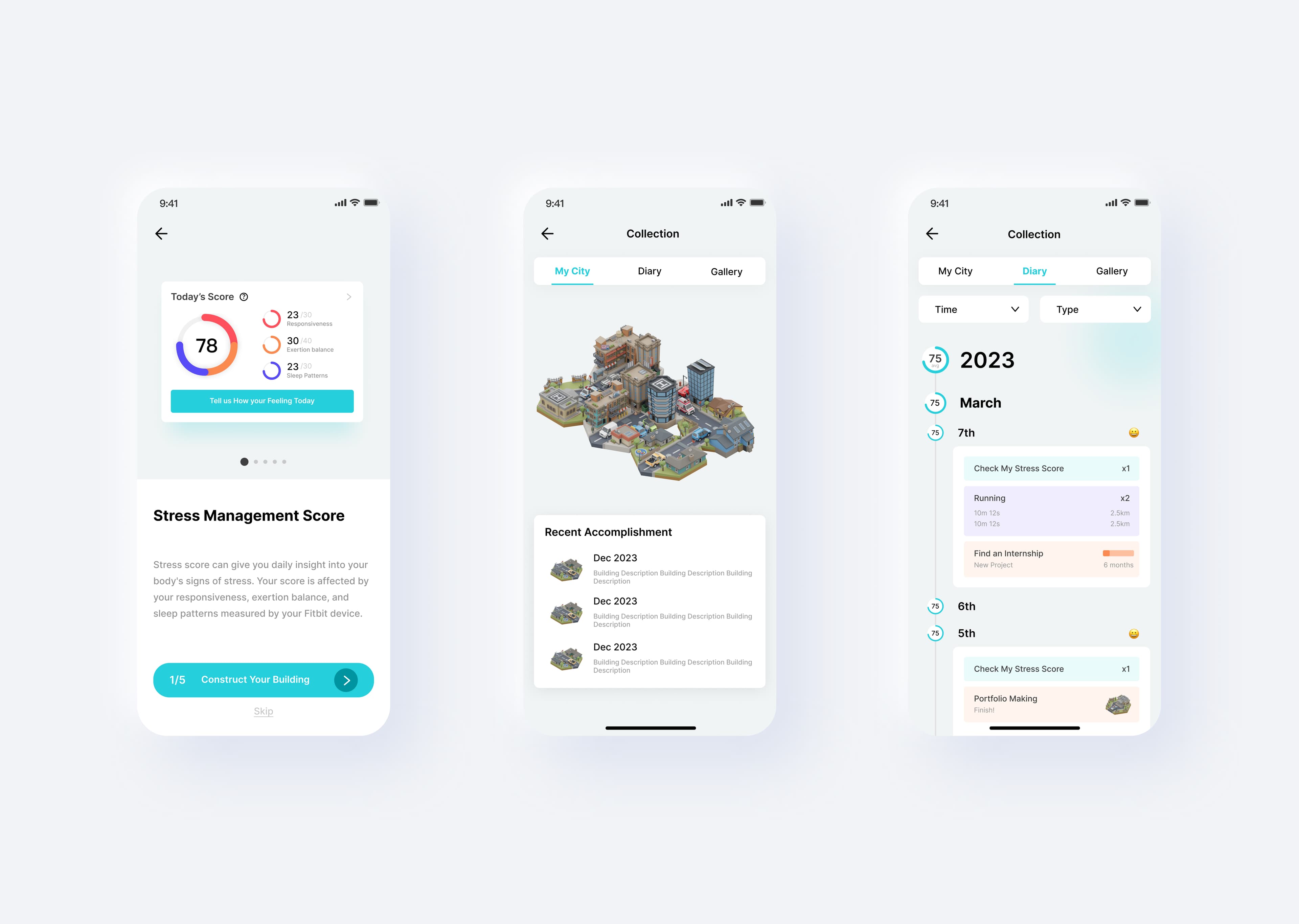
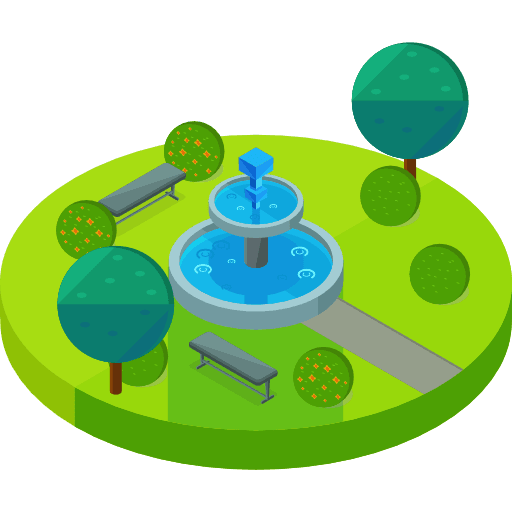
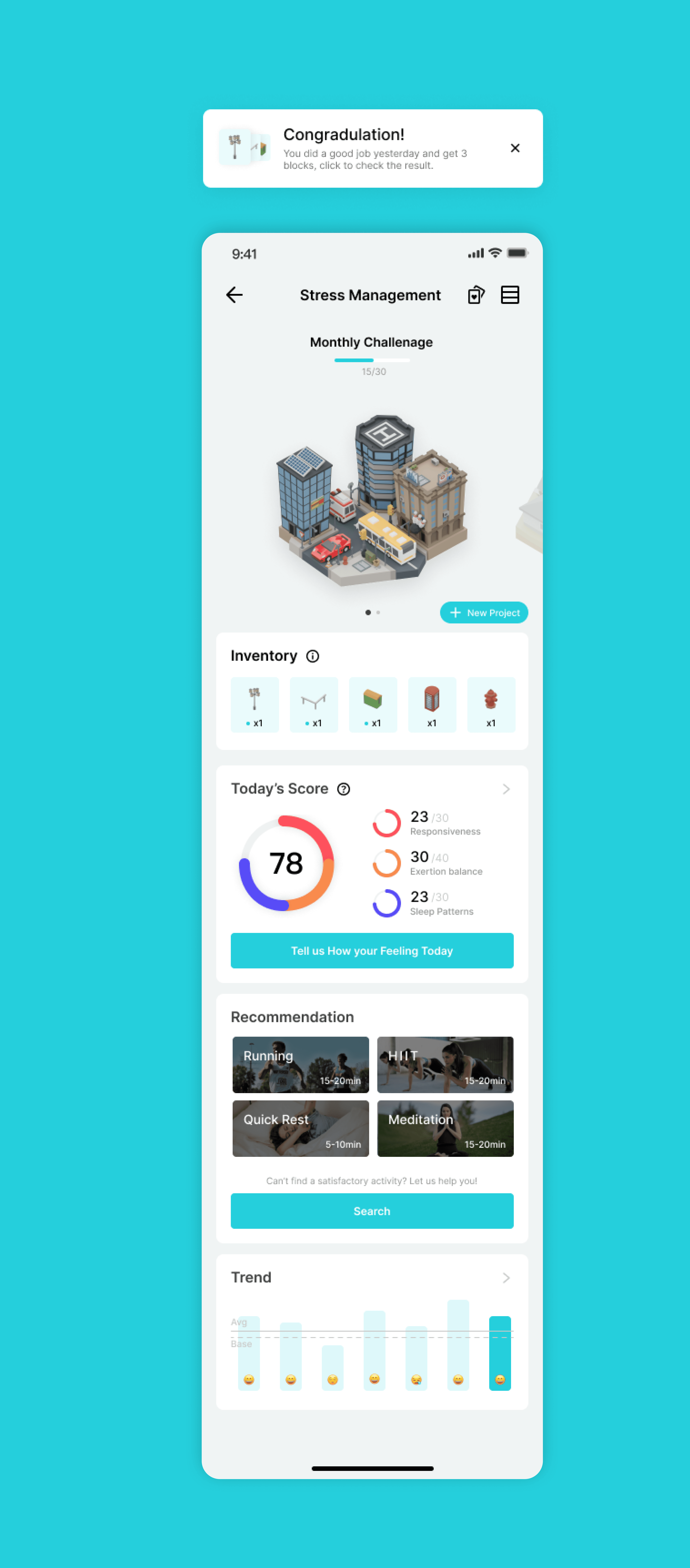
Users “Build Cities” to set goals, while activities like exercise and meditation help them relieve stress and keep it at a healthy level.
How did we get there?
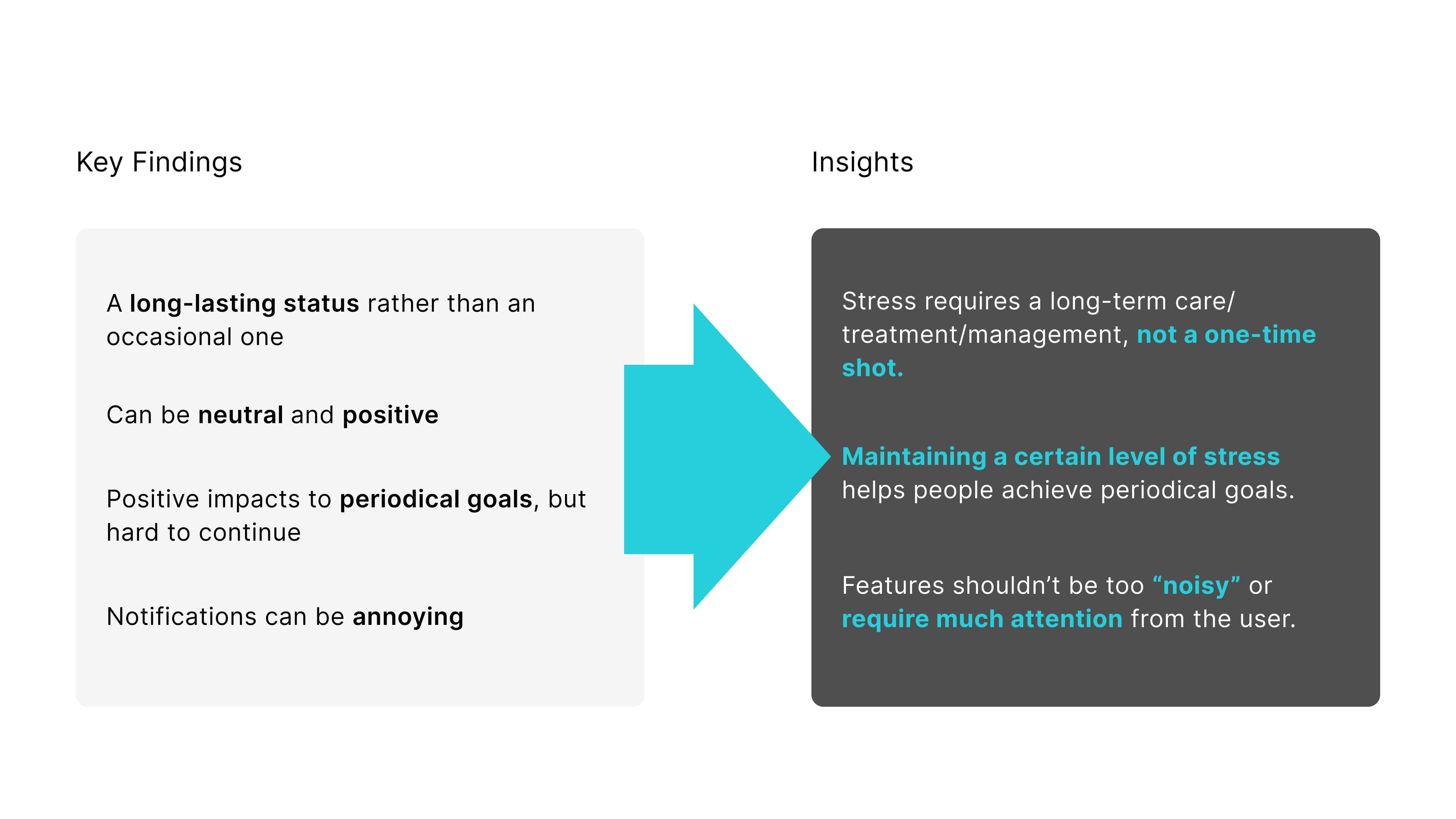
Help people face stress and accept it as a normal human response.
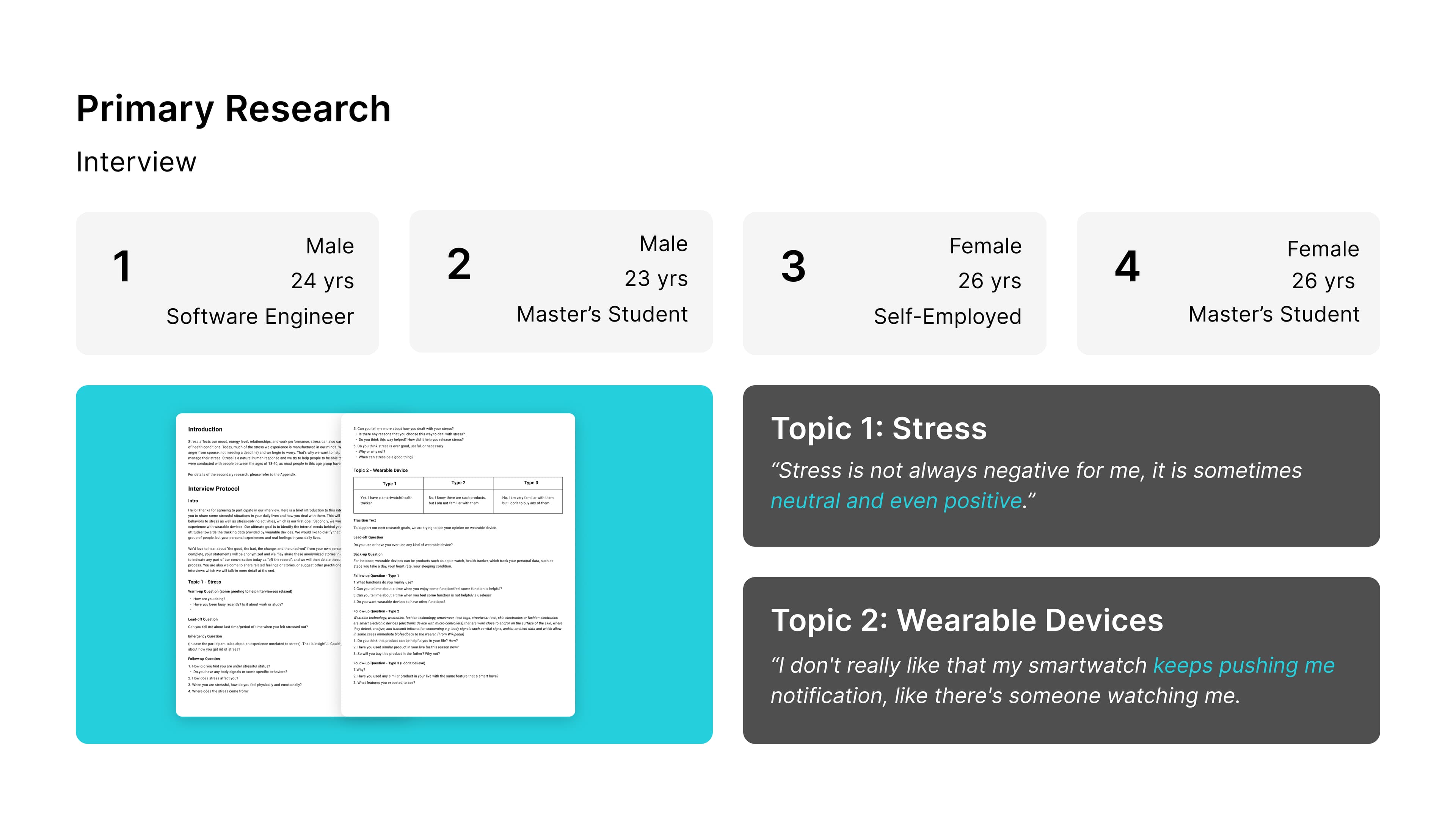
Conducting Research
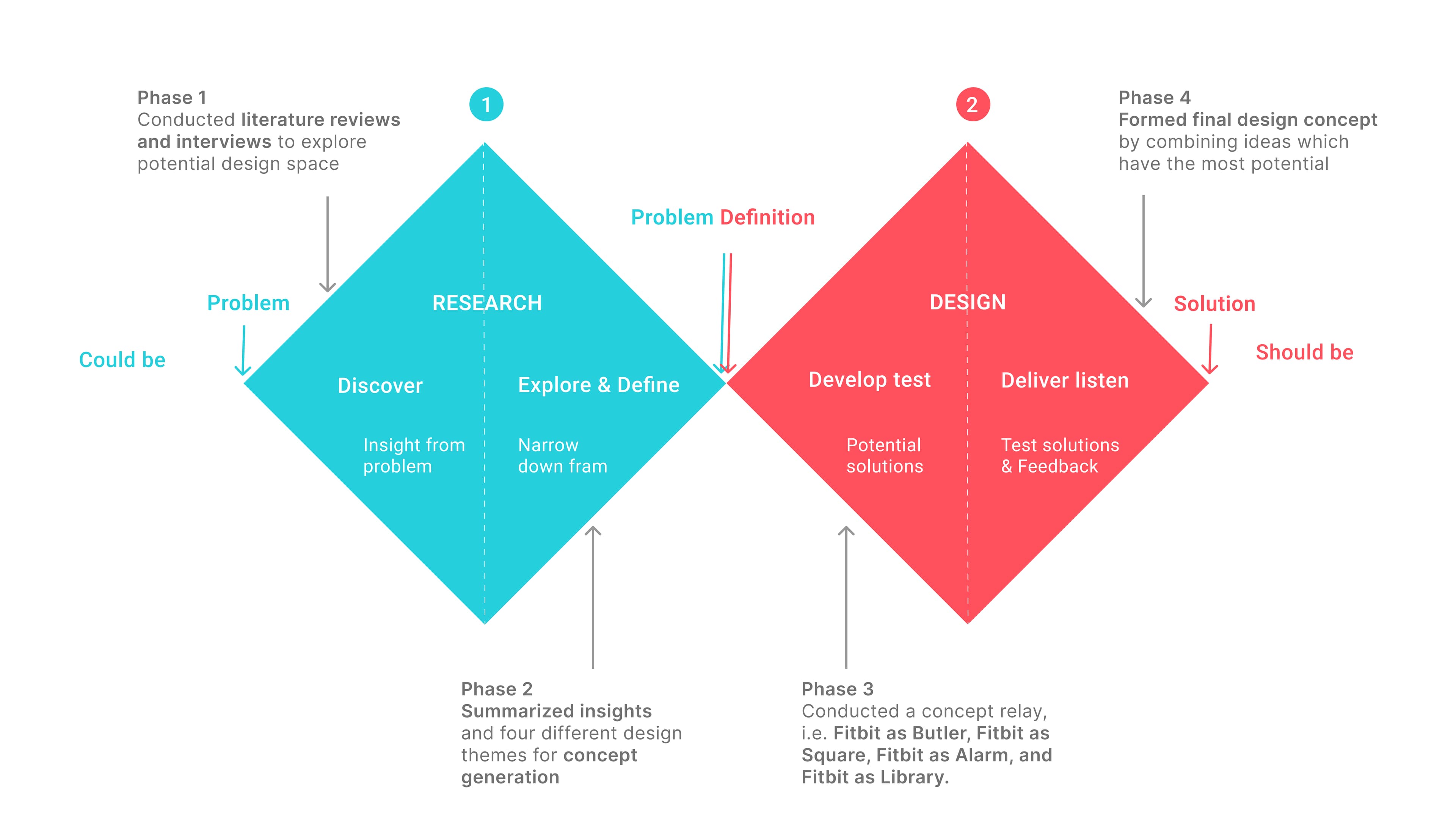
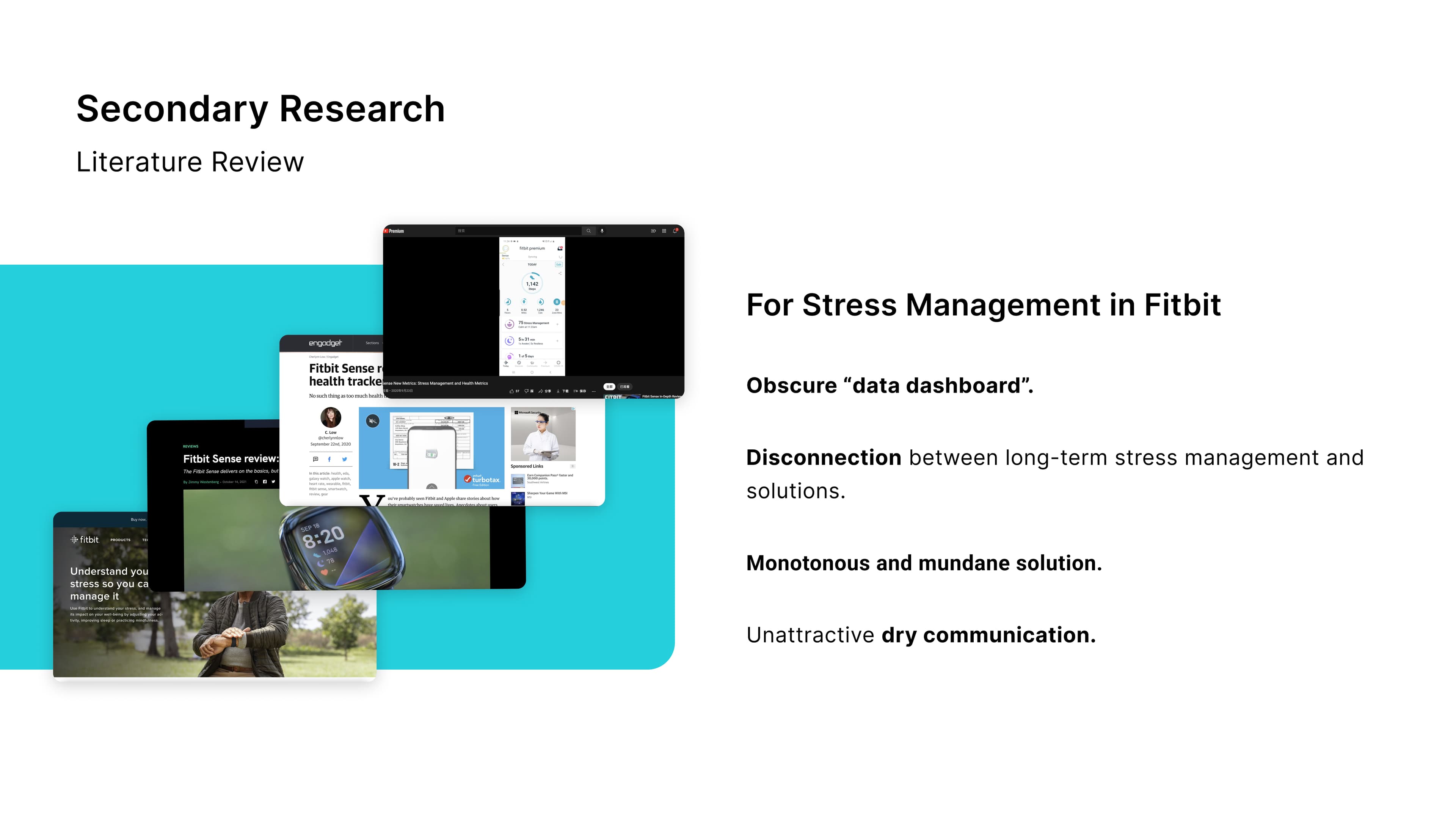
Understanding how people experience stress
Concept Development
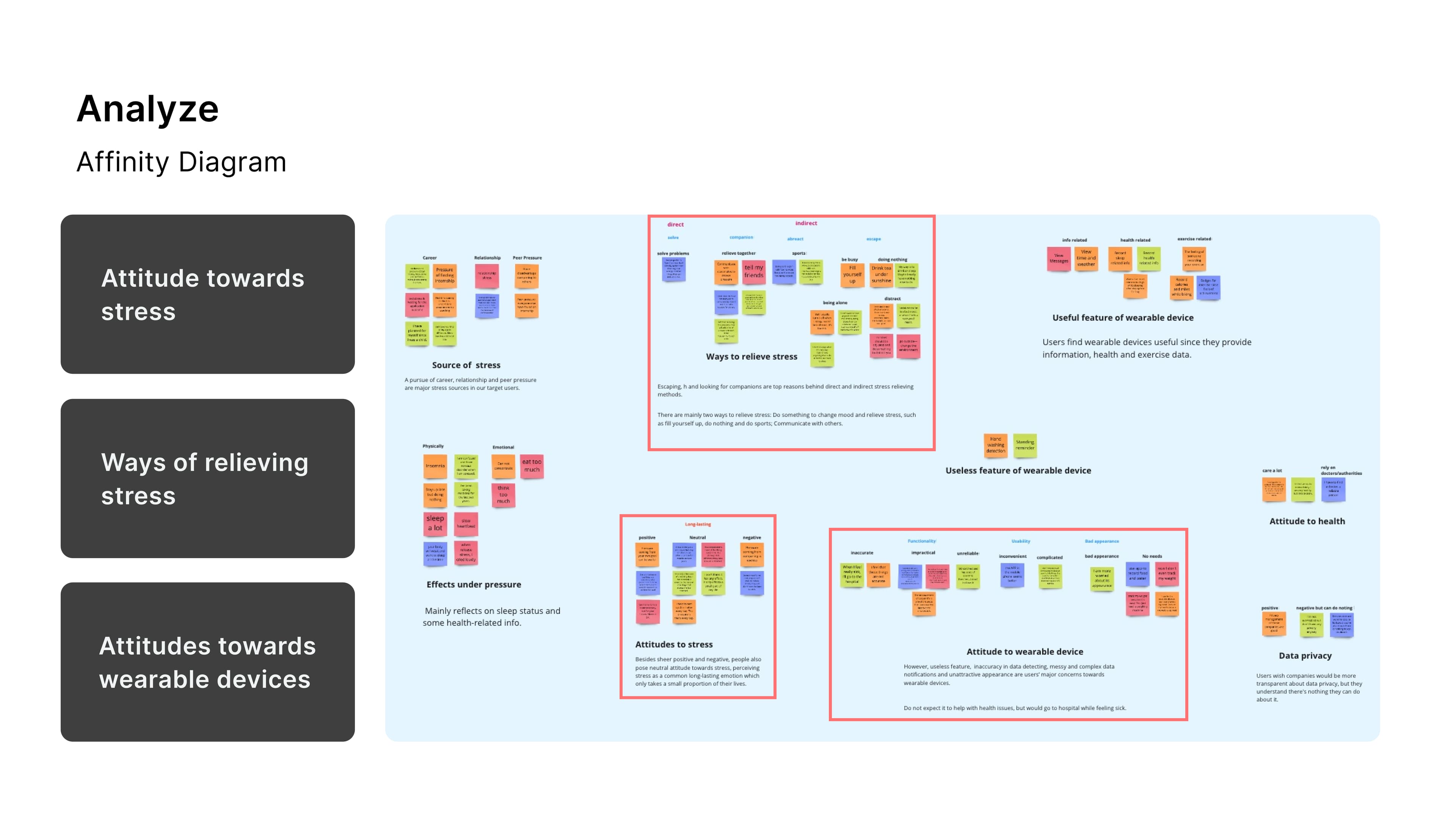
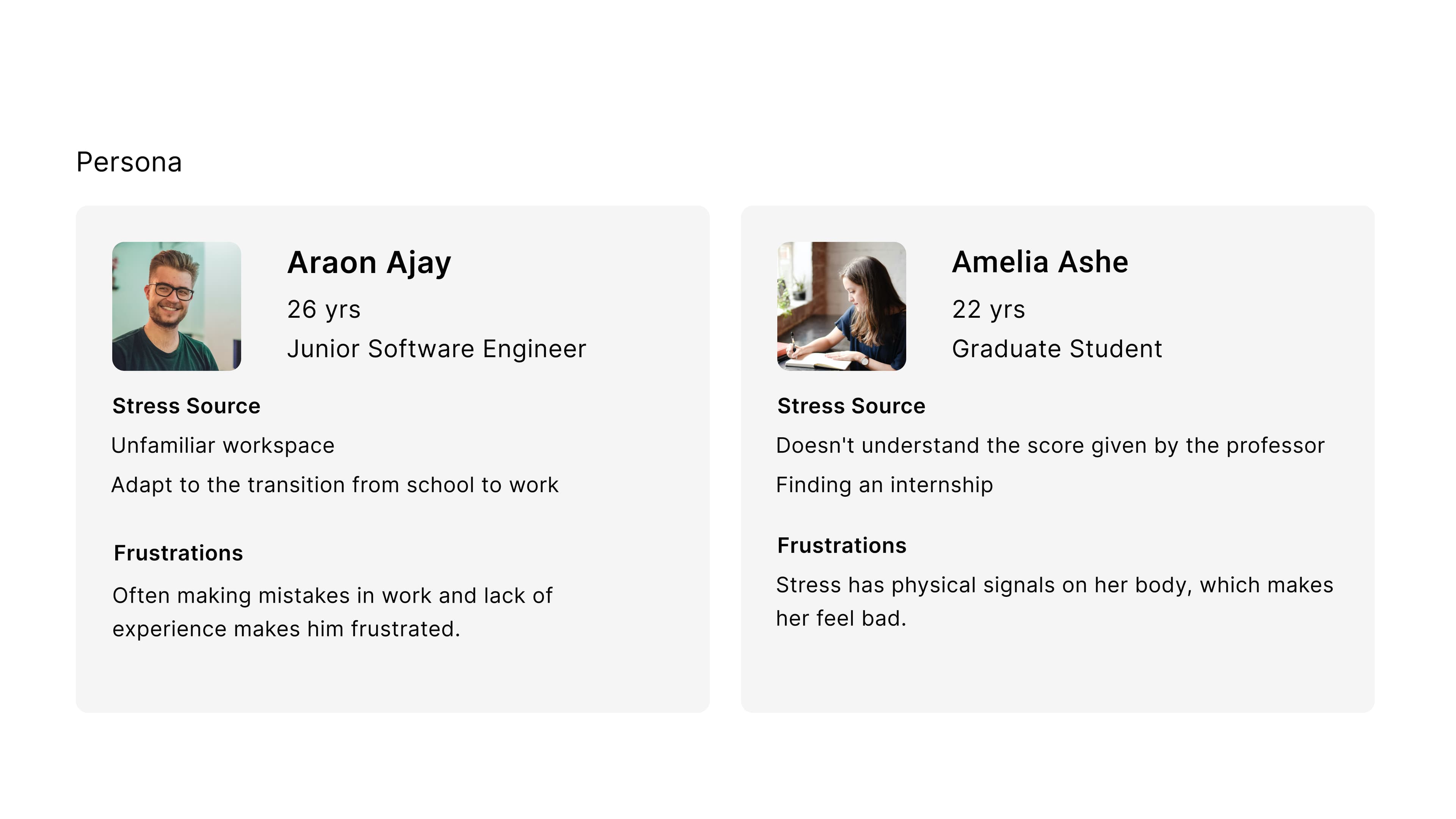
From insights to concepts


Concept Relay
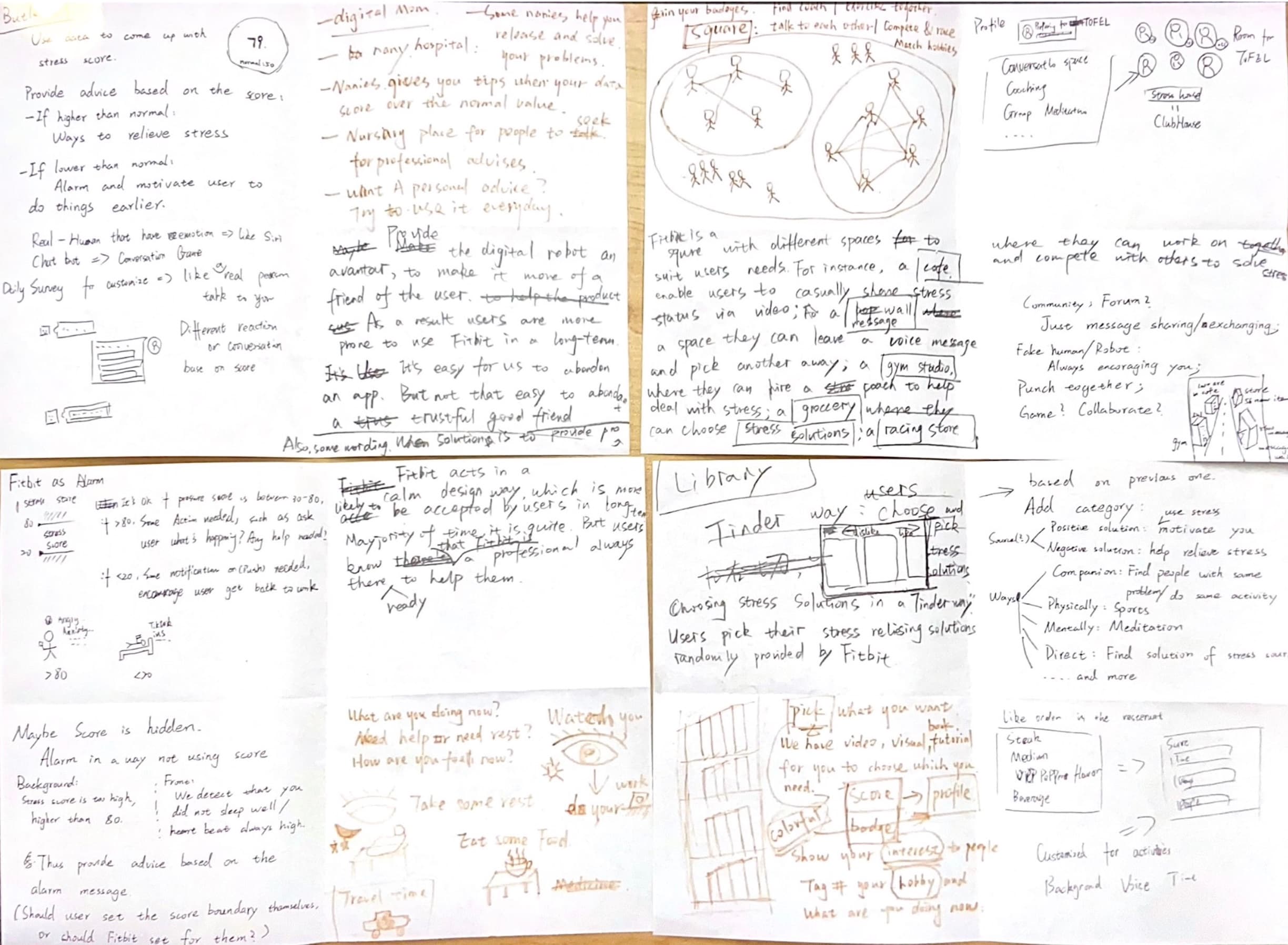
Fitbit as a quiet companion
We chose a supportive companion over a lecturing mentor or a cold alarm — Fitbit quietly helps in the background whenever you need it.
Final Design
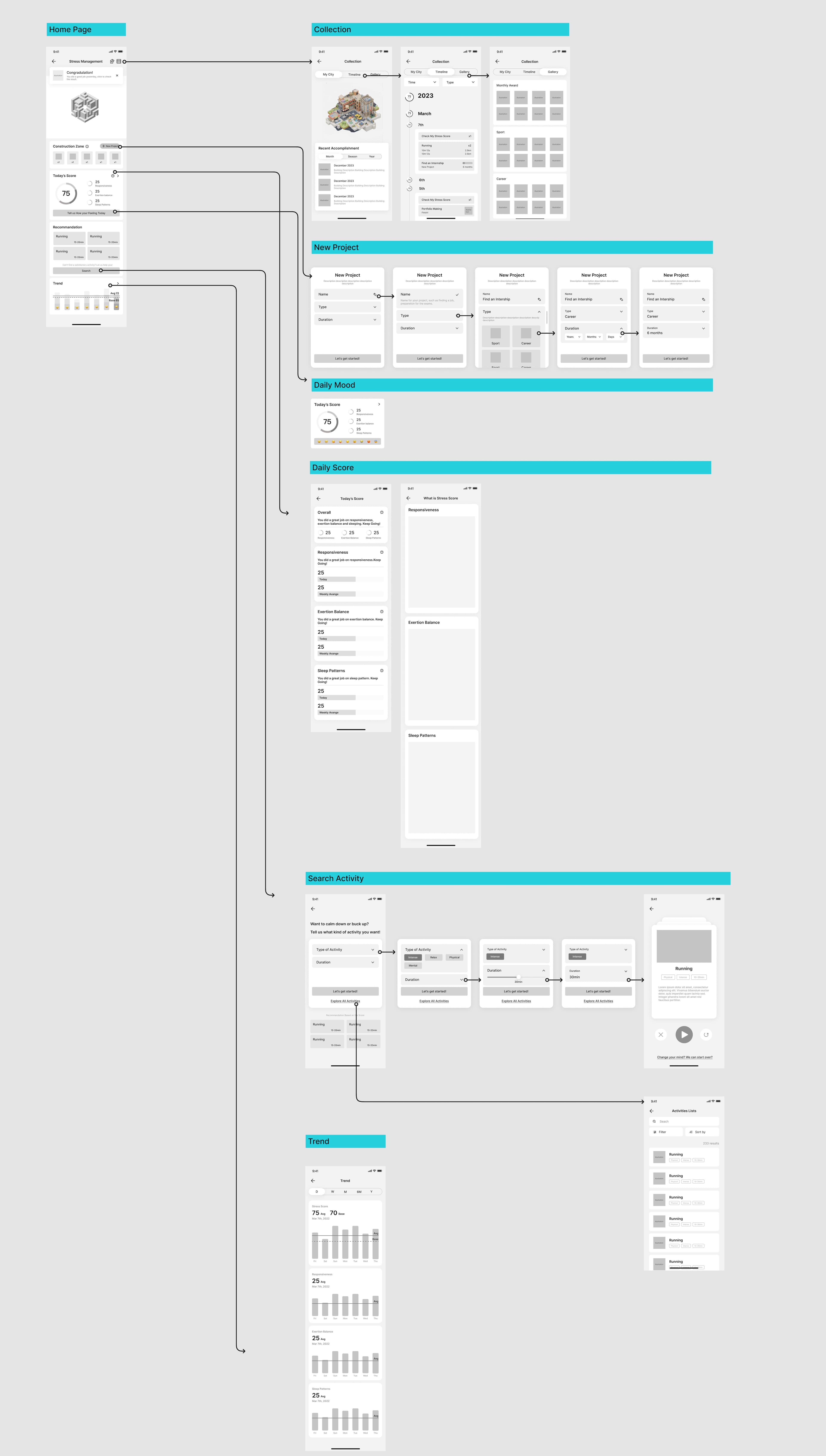
Wireframing and iteration
What changed
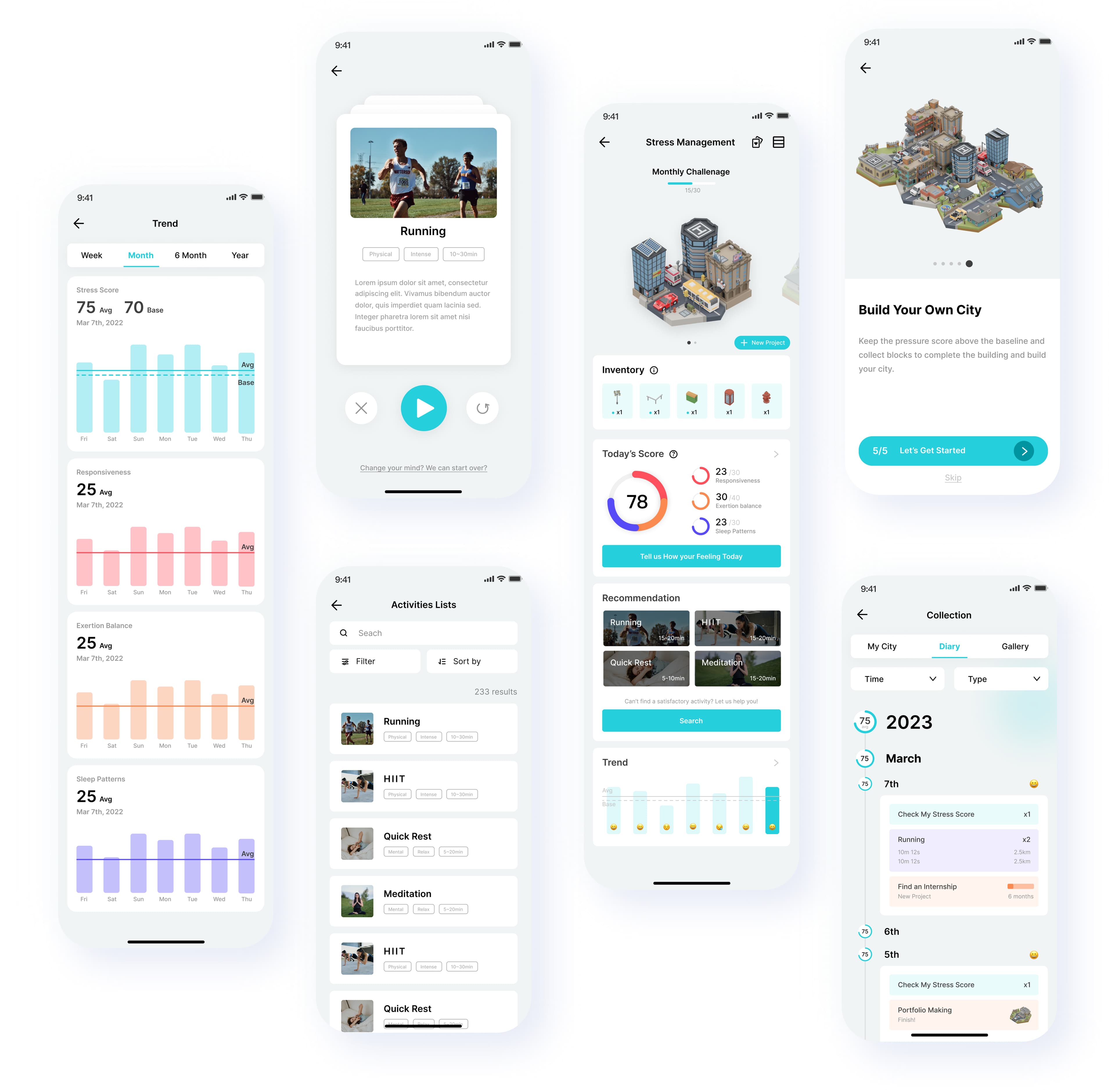
- Six sections: Home, Collection, Daily Mood, Daily Score, Find Activity, and Popular.
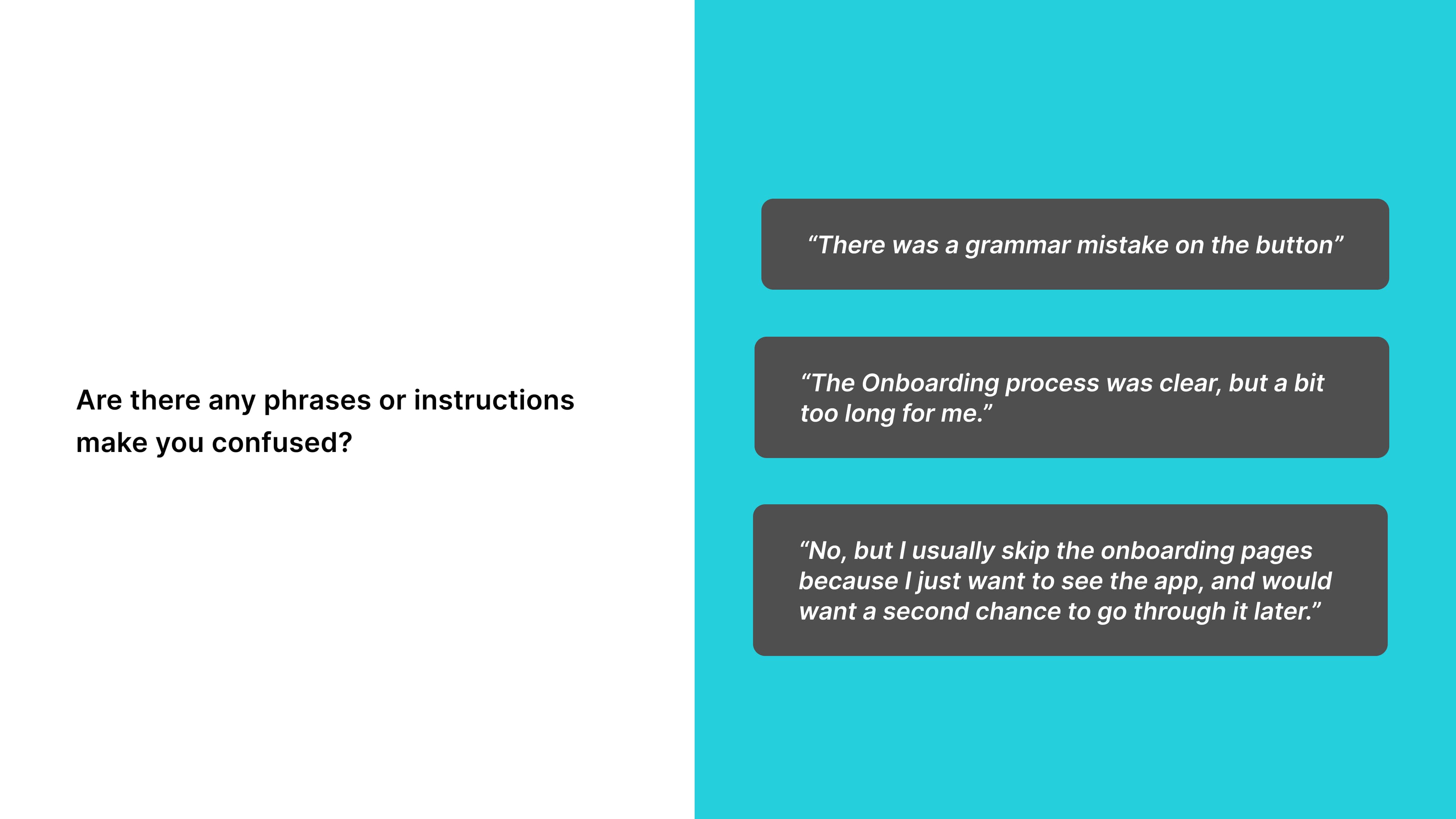
- Onboarding added: a cognitive walkthrough showed newcomers needed more guidance, so onboarding became a core flow.
High Fidelity Prototype
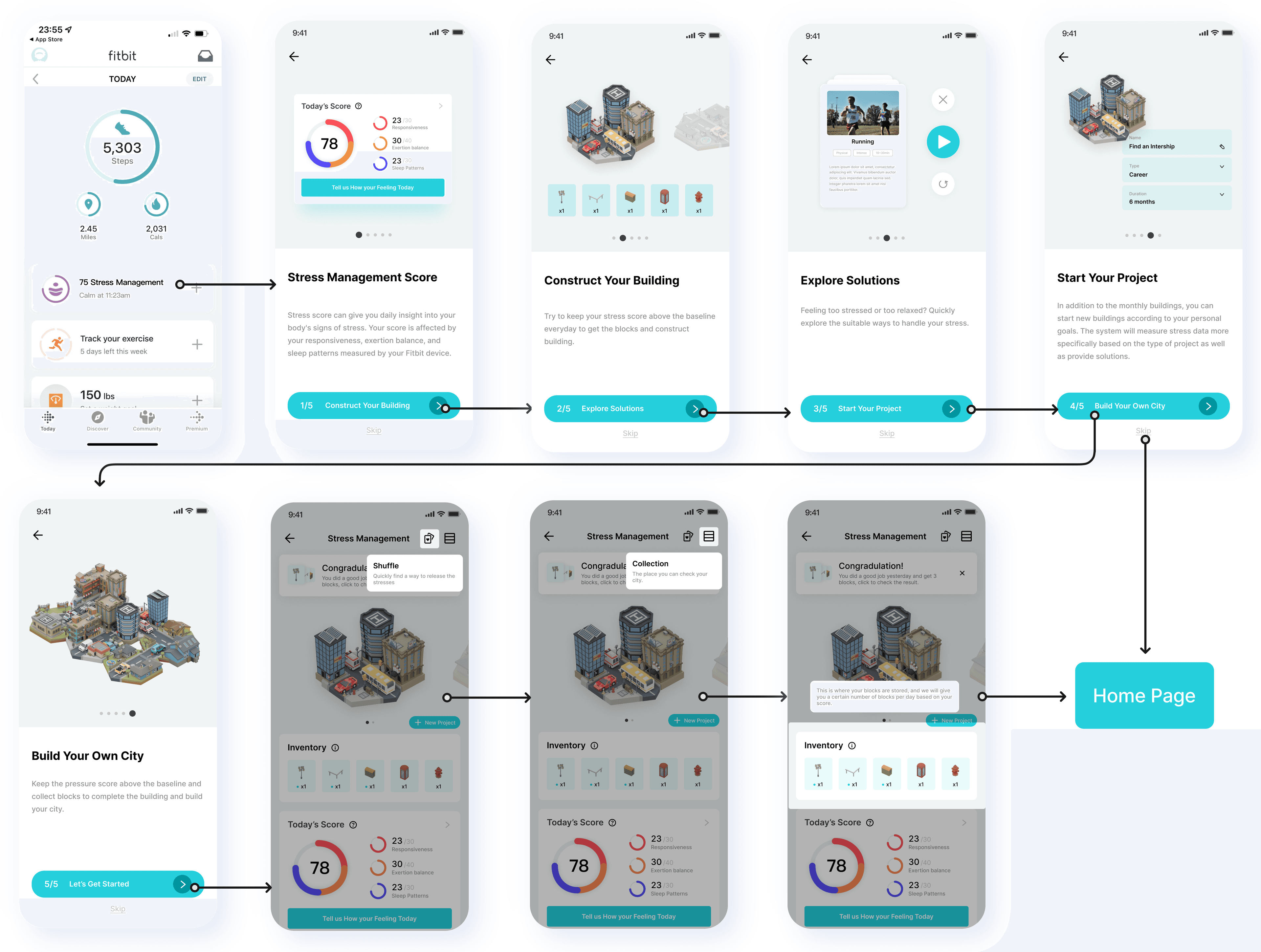
Onboarding, collection, and activities
Onboarding experience
- Welcome new users and set up their first city.
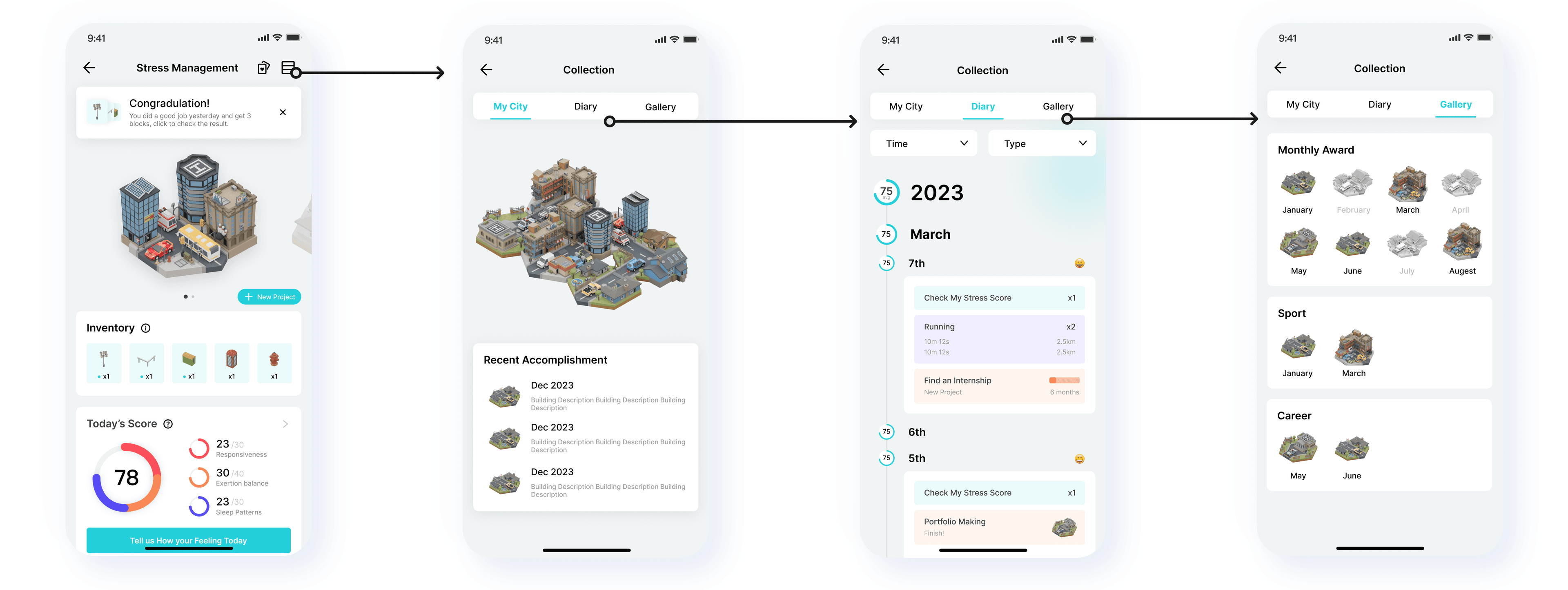
Explore your city collection
- See every building you've earned in one place.
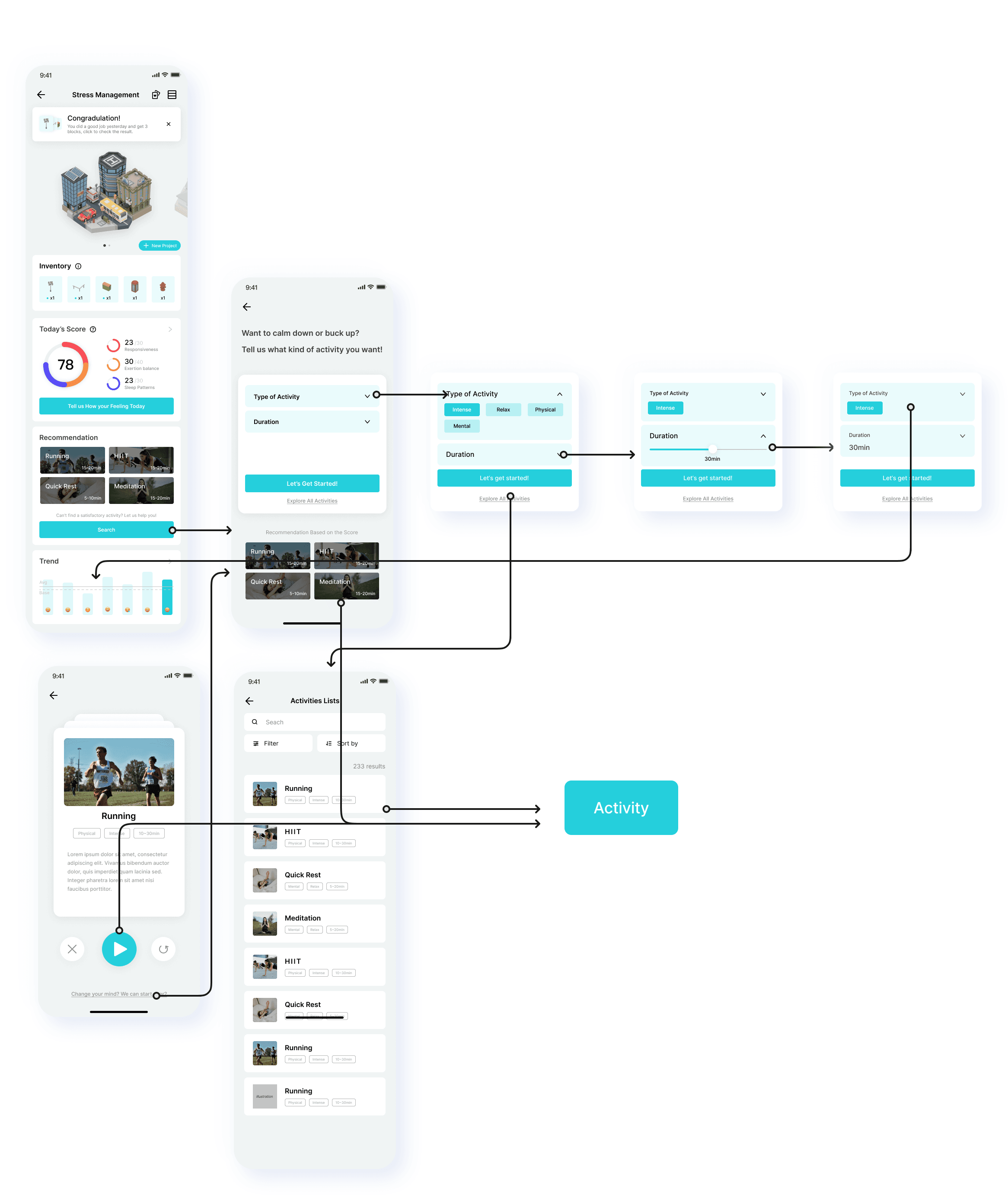
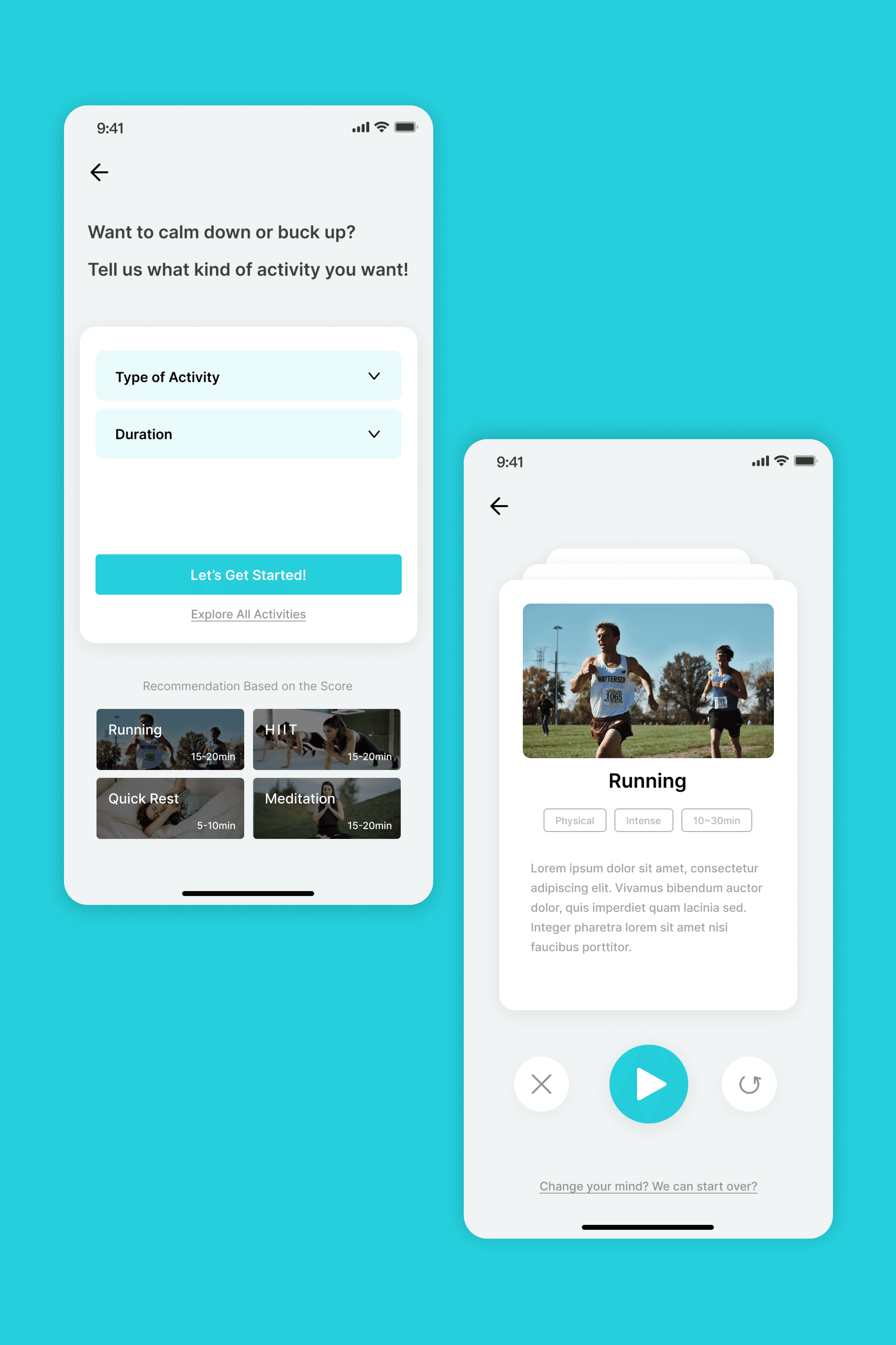
Pick an activity
- Choose a stress-relief activity to start building.
Key Features
Stress score, buildings, and quick picks
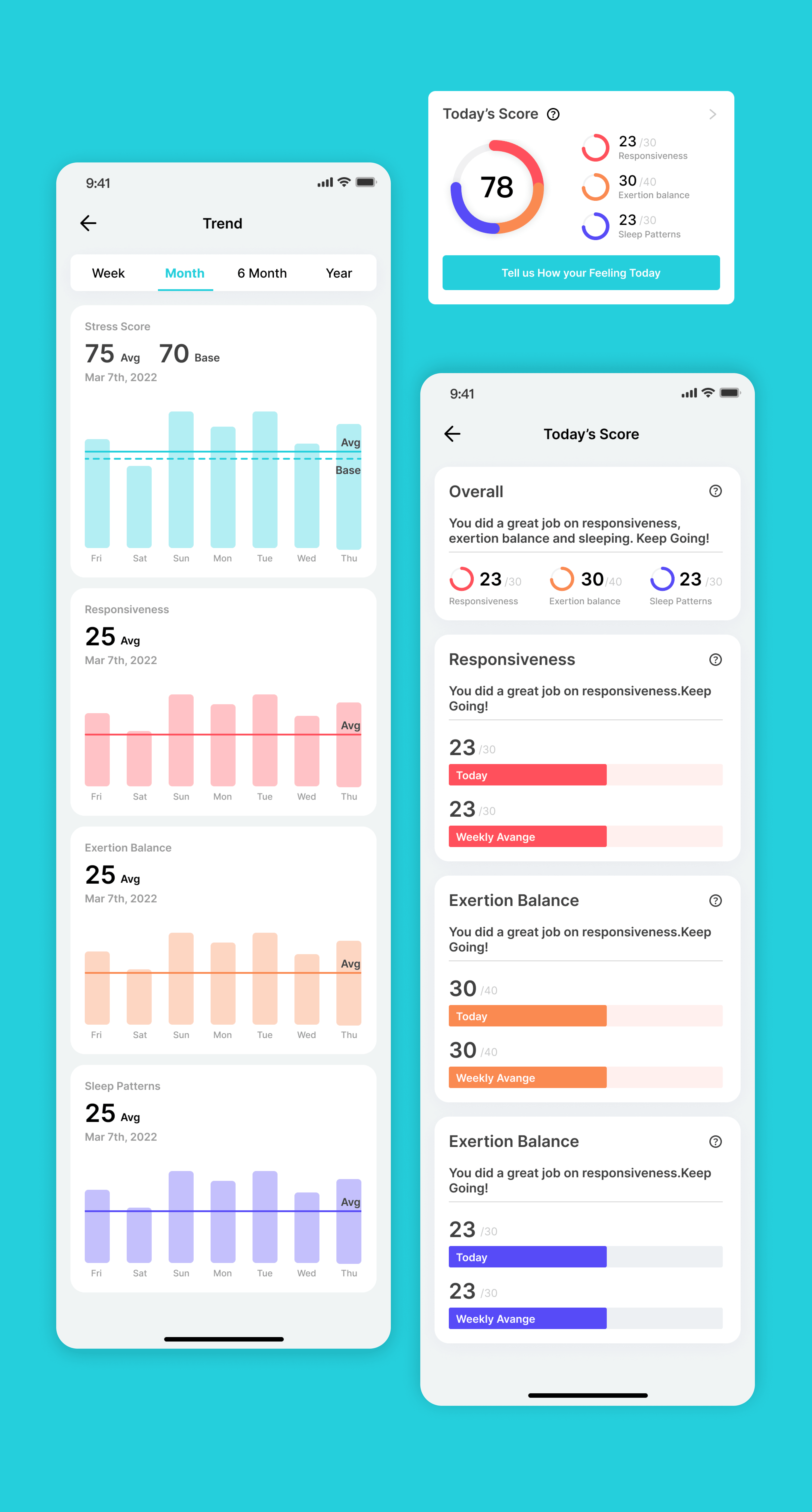
Stress score
- The EDA sensor measures daily stress, and the app highlights key insights instead of raw data.
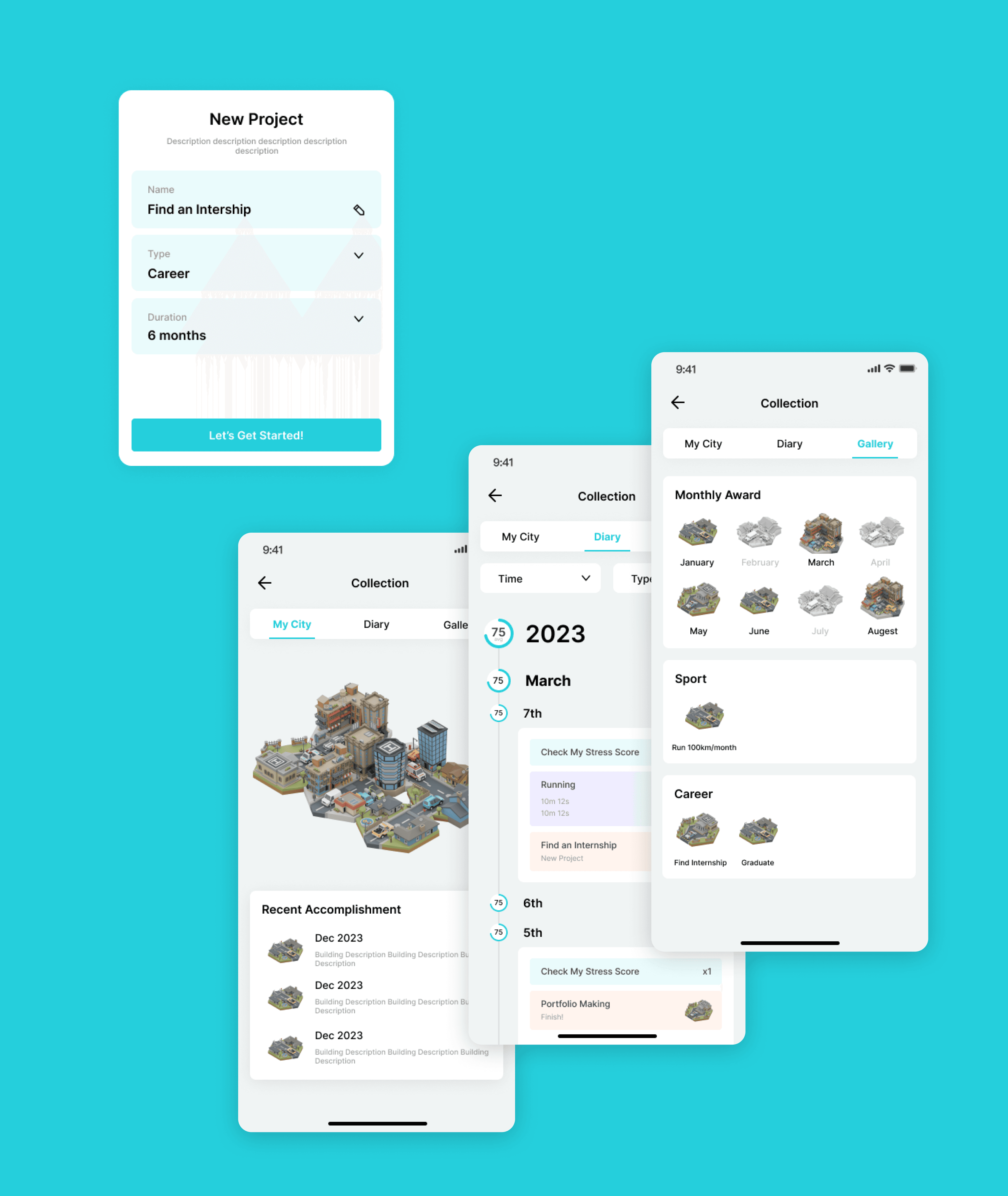
Construct a building
- Complete one building each month.
Start building
- Start new building projects tied to periodic goals, and see finished buildings as a City, Diary (timeline), or Gallery.
Quick pick activities
- Swipe to choose an activity, Tinder-style.
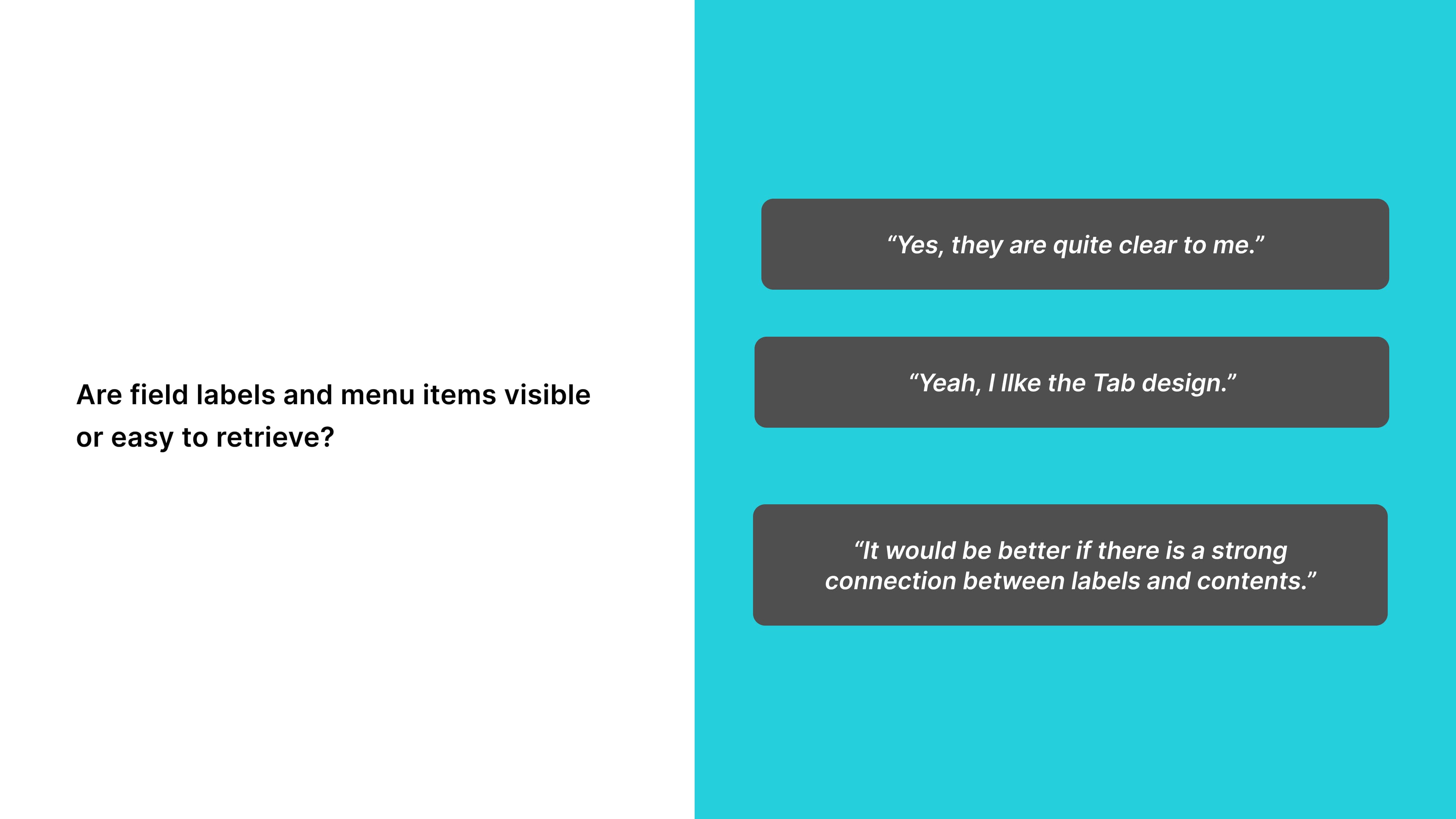
Usability Testing
Testing with real users
Tasks
- Create My City.
- Pick an activity to start building.
- Tell us whether the charts make sense.
Future Iteration
What we'd improve next
Based on feedback
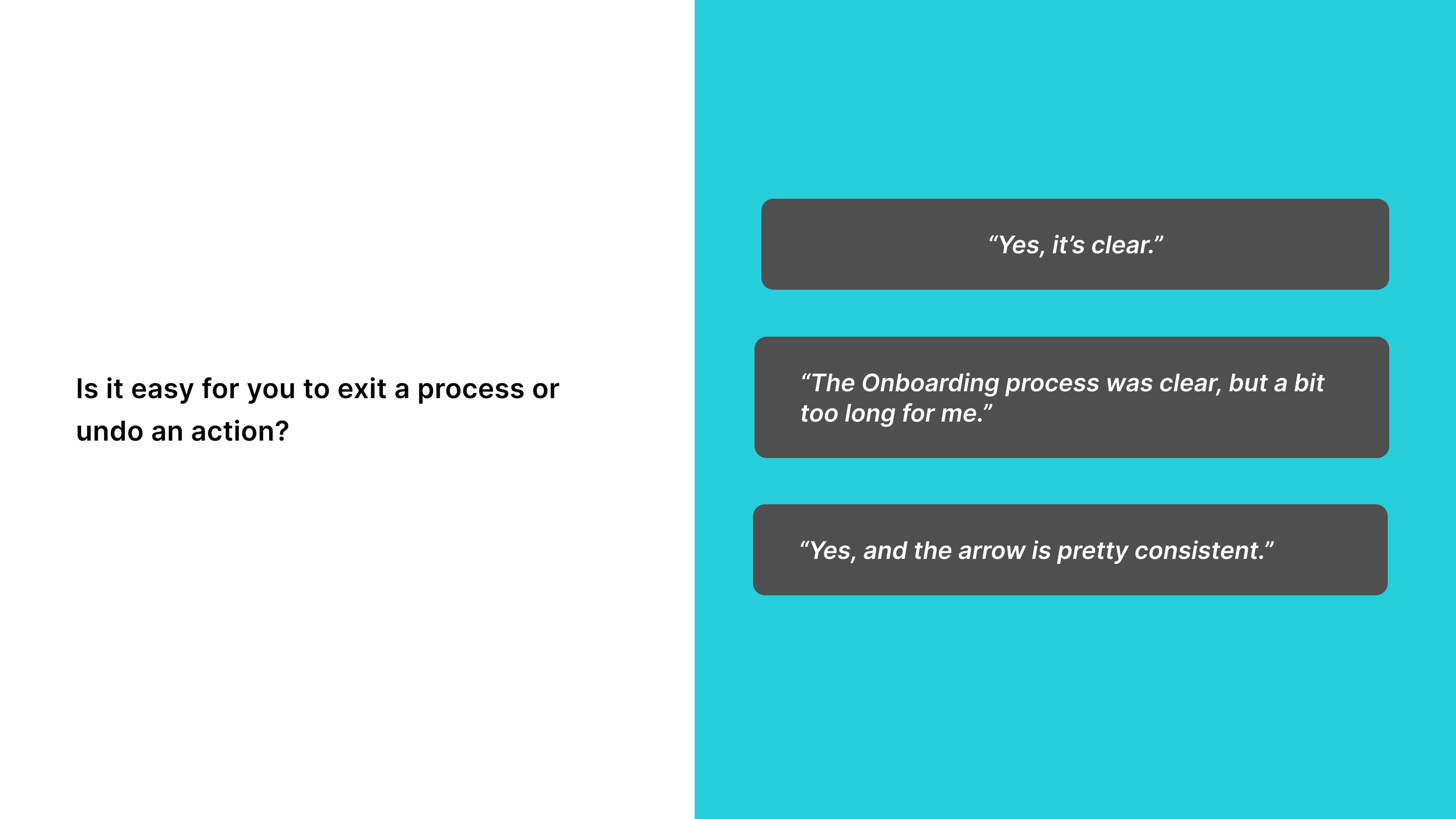
- Optimize the process: the last step lacked feedback, so we'll show the city after an activity is finished.
- Simplify buttons: buttons overlapped, so we'll offer clearer ways to reach activities.
- Shorten steps: one user lost patience, so we'll streamline moving between tasks.